

Food Industry: Anhydrous citric acid is primarily used in the food and beverage industry as an acidulant, acidity regulator, flavoring agent, preservative, and freshness enhancer. It improves the sensory properties of food and promotes the digestion and absorption of calcium and phosphorus. Citric acid salts, such as calcium citrate and ferric citrate, are also used as calcium and iron fortifiers in certain foods.
Chemical Industry: Anhydrous citric acid is used as an antioxidant and plasticizer in the chemical industry. Its esters, such as triethyl citrate, are used as non-toxic plasticizers in the manufacture of plastic film for food packaging. Anhydrous citric acid is also used as a reagent in chemical analysis, laboratory, chromatography, and biochemical analysis, as well as a chelating and masking agent for preparing buffer solutions.
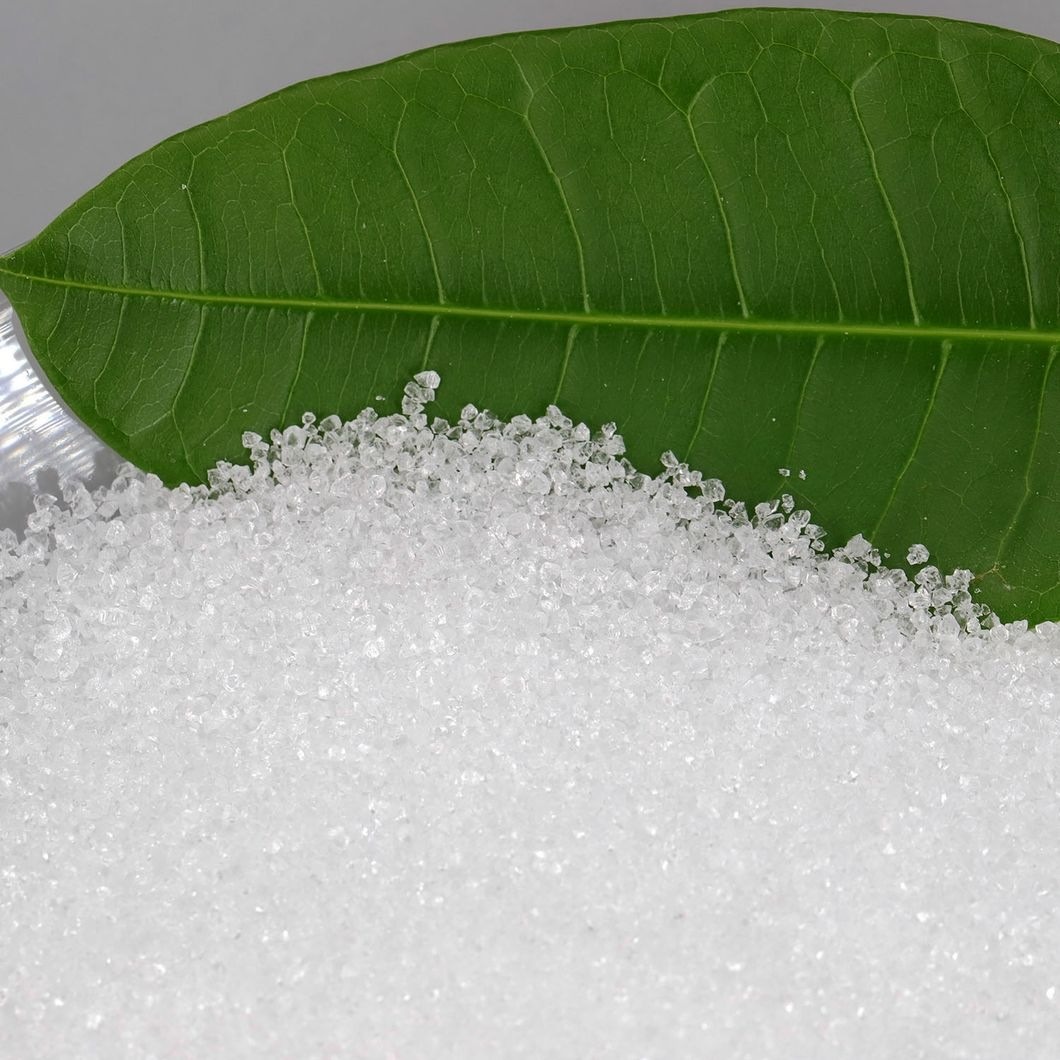
Detergent Industry: Using citric acid or citrates as detergent builders can improve the performance of detergents, such as by rapidly precipitating metal ions, preventing contaminants from reattaching to fabrics, maintaining the necessary alkalinity for washing, dispersing and suspending dirt and ash, and enhancing the performance of surfactants.
Other Industries: Anhydrous citric acid is also used to make formaldehyde-free finishing agents for pure cotton fabrics. Furthermore, citric acid-sodium citrate buffer solutions can be used in flue gas desulfurization and are promising desulfurization absorbents. Adding citric acid to feed can improve feed utilization, increase litter size or daily weight gain, reduce feed-to-meat ratios, and enhance protein digestibility.
Anhydrous citric acid is non-toxic, but inhalation of anhydrous citric acid powder should be avoided to prevent respiratory damage. Also, anhydrous citric acid is somewhat corrosive, so direct contact with skin and eyes should be avoided. In case of accidental contact, rinse immediately with plenty of water and seek medical attention.
Anhydrous citric acid should be stored in a dry, well-ventilated area away from sources of fire and high temperatures. Also, keep away from flammable materials and oxidants. The storage period should generally not exceed two years. During transportation, avoid excessive vibration and packaging damage to prevent leakage.