

Acetic acid and vinegar are not exactly the same. While acetic acid is the main component of vinegar, vinegar is a mixture, while acetic acid is a pure organic compound. Specifically, acetic acid (chemical formula: CH₃COOH) is a colorless liquid with a pungent odor and is the primary acidic component of vinegar. Vinegar is a liquid produced through a fermentation process. In addition to acetic acid (typically at a concentration of 4-8%), it also contains water, trace amounts of alcohol, sugars, amino acids, minerals, and other organic compounds.
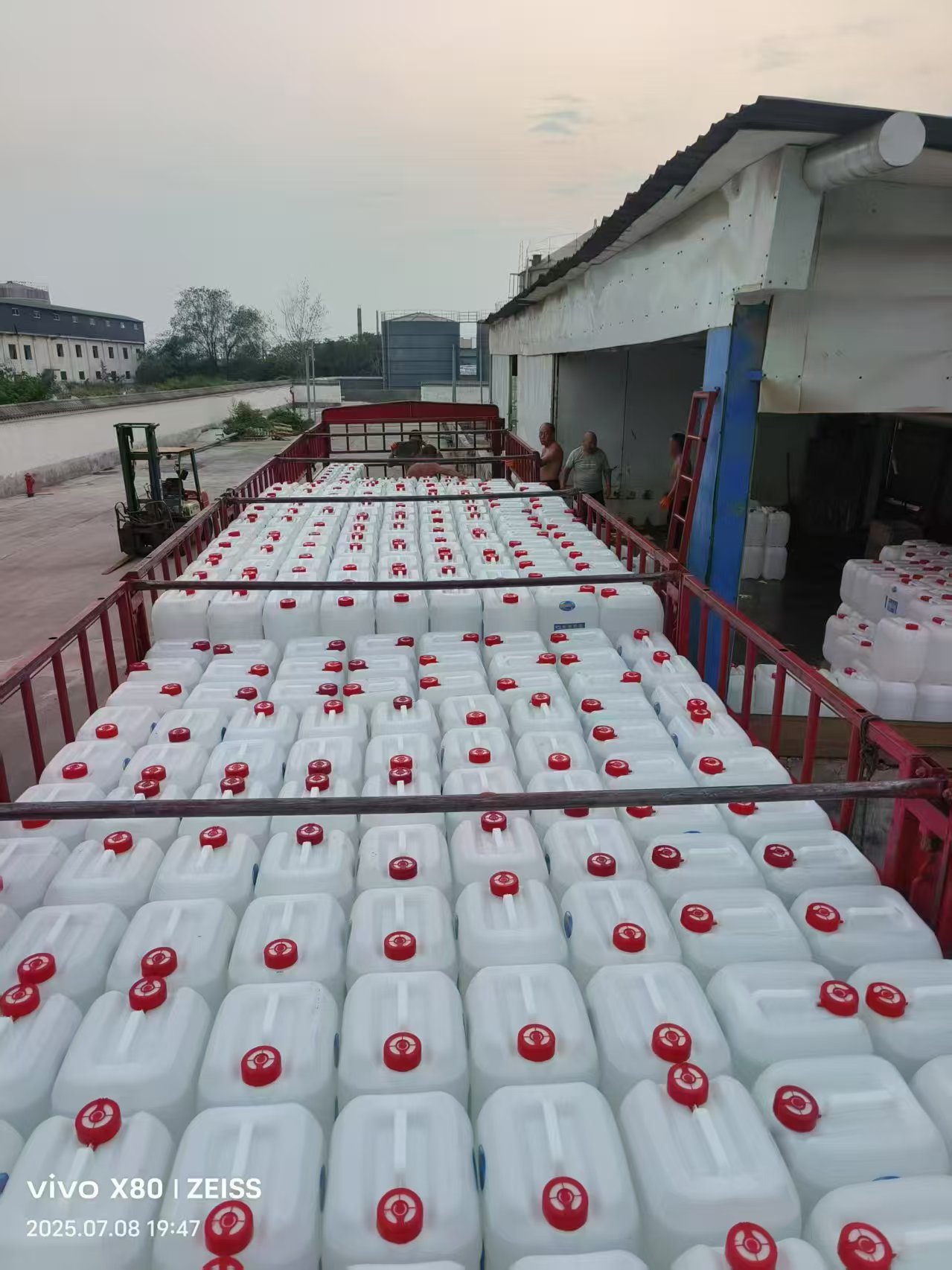
Chemically, acetic acid is a weak acid belonging to the carboxylic acid family. Its pure form is called glacial acetic acid (at a concentration close to 100%). Vinegar, on the other hand, is an aqueous solution of acetic acid and is commonly used in cooking, seasoning, and food preservation. Industrially, acetic acid is widely used in the production of polymers, solvents, and chemicals, while vinegar is primarily used in the food industry.
Careful usage: Pure acetic acid is corrosive and can cause skin and eye damage upon direct contact, whereas edible vinegar is relatively safe. When storing, acetic acid must be kept away from oxidants and alkaline substances, while vinegar only needs to be stored at room temperature and away from light. We now have related chemical products, such as high-purity methoxyacetic acid, which has excellent solubility and stability and is suitable for a variety of industrial applications.