

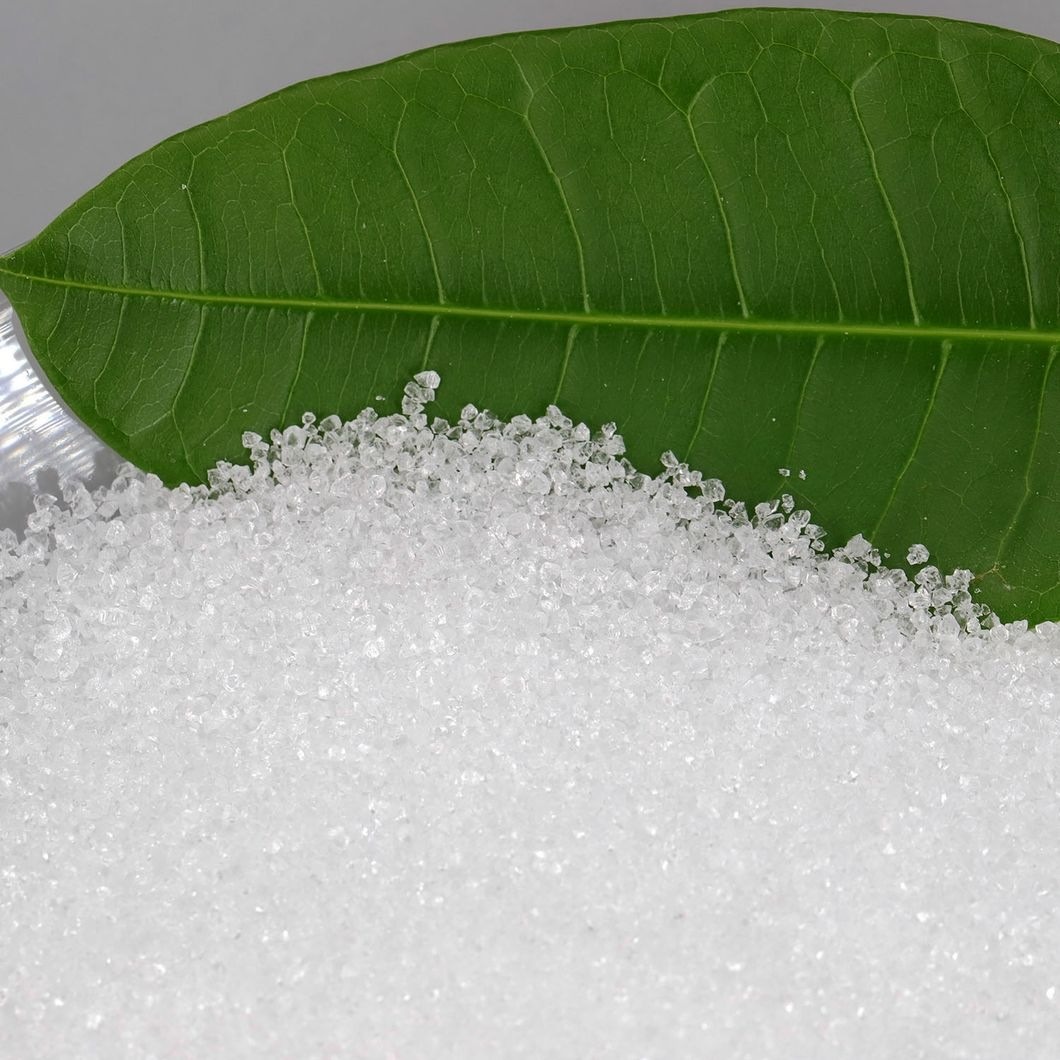
Anhydrous citric acid is the most widely distributed organic acid in fruits and vegetables and the most widely used acidulant in foods. Anhydrous citric acid, also known as citric acid, is an important organic acid. It occurs as colorless crystals, often containing one molecule of water of crystallization. It is odorless, has a strong sour taste, and is readily soluble in water. Its calcium salt dissolves more readily in cold water than in hot water, a property often used to identify and isolate citric acid. Anhydrous citric acid can be obtained by controlling the appropriate temperature during crystallization.
Properties
1. Good Solubility: Anhydrous citric acid is readily soluble in water, ethanol, and ether. Its solubility in water is very high, reaching 84% at 100°C. Its solubility in ethanol at 25°C is 58.9%. Furthermore, solutions of citric acid and its derivatives in propylene glycol are also soluble in oils and fats. Due to its high water and fat solubility, citric acid can be easily and evenly dispersed in a variety of foods.
2. Pure sourness: With a mild aroma, it is the most palatable of all organic acids and can be blended with a variety of spices to create a refreshing sour flavor, making it a popular choice for many foods. Citric acid's weak acidity also inhibits bacterial growth within a certain pH range, acting as a preservative.
3. Strong chelating power: Anhydrous citric acid can form three salt forms due to its three carboxyl groups. However, with the exception of alkali metal salts, most other salts are insoluble or poorly soluble in water. It also has the unique property of being more soluble in cold water than in hot water.
4. It can form buffers with alkalis or salts. For example, mixing it with disodium hydrogen phosphate in varying proportions yields a series of buffers with concentrations ranging from 2 to 8.
5. Low toxicity: Citric acid is a key intermediate in the tricarboxylic acid cycle in the human body and has low toxicity.
Anhydrous citric acid has many other uses, such as as an antioxidant synergist, bleaching agent, jam coagulant, fruit color preservative, flavor enhancer, and deodorizer for fish and goat milk. Anhydrous citric acid is naturally found in fruits such as lemons, oranges, and tangerines. Industrial production primarily relies on synthesis and fermentation, with most industrially used anhydrous citric acid produced by fermentation using Aspergillus niger.
Anhydrous citric acid is widely used as an acidulant in the production of various beverages, juices, canned foods, candies, jams, and jellies, imparting a refreshing, fruity flavor. Anhydrous citric acid, a natural component of juice, not only imparts a fruity flavor to beverages but also acts as a solubilizer, buffer, and antioxidant, blending sugars, flavors, and pigments in beverages to create a harmonious blend and flavor.
Anhydrous citric acid as a sucrose inversion agent: Adding an appropriate amount of anhydrous citric acid to a sucrose solution converts it into sugar, increasing the saturation and viscosity of the sucrose and boosting its osmotic pressure. This effectively prevents sucrose reversion in sugar products, improving their shelf life and texture.
Anhydrous citric acid as a color preservative for fruits and vegetables: Immersing fruits and vegetables in a mixture of 1% to 2% salt and 0.1% anhydrous citric acid can inhibit discoloration caused by enzymatic browning.
Anhydrous citric acid as a pH adjuster: Anhydrous citric acid is used in canned foods, jams, jellies, and other products to lower the pH and inhibit the growth of spoilage microorganisms. Generally, a pH below 5.5 inhibits most spoilage bacteria. Adjusting the pH of food with anhydrous citric acid can also improve quality and flavor. For example, when grapes or other winemaking ingredients are overripe and lack acidity, anhydrous citric acid can be used to adjust the pH to prevent the resulting wine from having a bland taste. It also has antioxidant properties and protects pigments, preserving the freshness of the juice and preventing discoloration.
Anhydrous citric acid as an antioxidant synergist: For example, adding a 0.1% ascorbic acid solution to peeled fruits and vegetables can prevent oxidative browning. Anhydrous citric acid is often used as a synergist to control the activity of phenolase and prevent browning. For example, a single molecule of crystalline water, anhydrous citric acid, can be used as an antioxidant in cooking oils. For example, adding anhydrous citric acid can improve the flavor of ice cream, increase emulsion stability, and prevent oxidation. It can also enhance the flavor of jams and jellies and have antioxidant properties. For example, when pickling meats and vegetables, adding or coating them with anhydrous citric acid can improve flavor, remove fishy smells, and provide antioxidant benefits.
Anhydrous citric acid as a leavening agent: Using baking soda as a leavening agent in pasta often results in a high alkalinity and a poor texture. Using anhydrous citric acid and baking soda together absorbs the carbon dioxide produced by the baking soda molecules during the reaction, preventing the accumulation of sodium carbonate. This reduces the alkalinity of the pasta and improves its flavor.
Anhydrous citric acid as a buffer: Vegetables and fruits vary in acid content during processing due to their variety, origin, harvest period, and storage time, creating inconveniences in the industry. Therefore, controlling the acidity of the solution as needed ensures product quality. It also inhibits bacterial growth, reduces sterilization time, and lowers sterilization temperature.

Anhydrous citric acid is used in combination with fatty acid mono- and diglycerides as an emulsifier. Adding this emulsifier to margarine and ice cream production facilitates fat demulsification and coagulation, thereby improving product quality and creating a smoother texture. Reference dosage: 10g/kg, 10g/kg for cold drinks.
Anhydrous citric acid as a flavoring and deodorizing agent: Anhydrous citric acid can be added to soft drinks, cold drinks, baked goods, candies, and gummies. Anhydrous citric acid can also be added as a flavor stabilizer to many food packaging materials, preserving freshness and removing odors. For example, polyethylene film containing 1% anhydrous citric acid for packaging fish and preserved products significantly reduces odor after three days. Anhydrous citric acid is also widely used as a deodorant for seafood, aquatic products, and goat milk. For example, kelp beverages are often cooked with 10% anhydrous citric acid and 0.2% hydrochloric acid to remove the fishy smell. Sardines can be soaked in anhydrous citric acid at pH 5.5 for 30 minutes before processing to remove the fishy odor.
Effect of Anhydrous Citric Acid on Vitamin C Content: The vitamin C content of all orange juice samples decreased during storage, but the pattern of decline varied. In comparative experiments, anhydrous citric acid had a moderate effect on slowing the decline in vitamin C. In freshly prepared orange juice samples, the total colony count in samples containing anhydrous citric acid decreased faster than in the control sample, and the rate of decline accelerated with increasing anhydrous citric acid concentration.
Application of Anhydrous Citric Acid in Diets for Early-Weaned Piglets: a) Lowering dietary pH lowers gastric pH and enhances enzyme activity. Anhydrous citric acid can, to a certain extent, lower the pH of the diet and gastrointestinal tract. This low pH activates inactive pepsinogen into active pepsin, thereby creating a favorable environment for nutrient digestion and absorption in piglets. Hou Yongqing et al. (1996) reported that the addition of anhydrous citric acid to the diet of weaned piglets significantly increased the activity of trypsin and amylase in the small intestine.
Anhydrous citric acid also chelates metal ions in canned foods, soy products, and condiments, protecting ascorbic acid from damage by metal ions. Anhydrous citric acid has a similar effect when added to vegetable oils. Anhydrous citric acid can be used to hydrolyze soy and other legume proteins, as well as sunflower seed proteins, to produce uniquely flavored condiments. It can also be used to flavor mature condiments (such as soy sauce).
Others
Anhydrous citric acid also has a role in other industries, such as medicine and chemistry. Anhydrous ammonium ferric citrate can be used as a blood tonic; anhydrous sodium citrate can be used as a blood transfusion agent; anhydrous citric acid can be used to make food packaging films and pollution-free detergents. For example, the two main varieties of anhydrous citrate esters, anhydrous tributyl citrate (TBC) and acetyl tributyl citrate (ATBC), have been approved by the US FDA as safe and non-toxic plasticizers, and my country also recommends their use in packaging materials.